Preservation Specialists
Historic Hardwood Floor Restoration
Preserving Milwaukee's Architectural Heritage — One Floor at a Time
Milwaukee's Historic Floor Experts
Milwaukee and its surrounding communities are home to one of the Midwest's richest collections of historic architecture. From the Victorian mansions of Brewer's Hill to the Craftsman bungalows of Bay View, from Wauwatosa's National Register historic districts to the grand homes of Washington Heights — these treasured properties deserve flooring professionals who understand their unique character and requirements.
At BBJ Hardwood Flooring, we specialize in the restoration and preservation of historic hardwood floors. We understand that the floors in your Victorian, Craftsman, or early 20th-century home aren't just flooring — they're irreplaceable artifacts crafted from old-growth timber that no longer exists. Our approach honors this heritage while ensuring your floors remain functional and beautiful for generations to come.
With 218 properties on the National Register of Historic Places in Milwaukee alone, plus dozens more historic districts throughout Waukesha County, our region demands restoration expertise that goes beyond standard refinishing.
Most flooring contractors won't take on historic restoration work — and many who do lack the specialized knowledge these irreplaceable floors demand. This creates a real market gap for homeowners with pre-1950s properties. At BBJ, historic restoration isn't a sideline — it's a passion backed by deep expertise in period-appropriate techniques, reclaimed materials, and preservation guidelines.
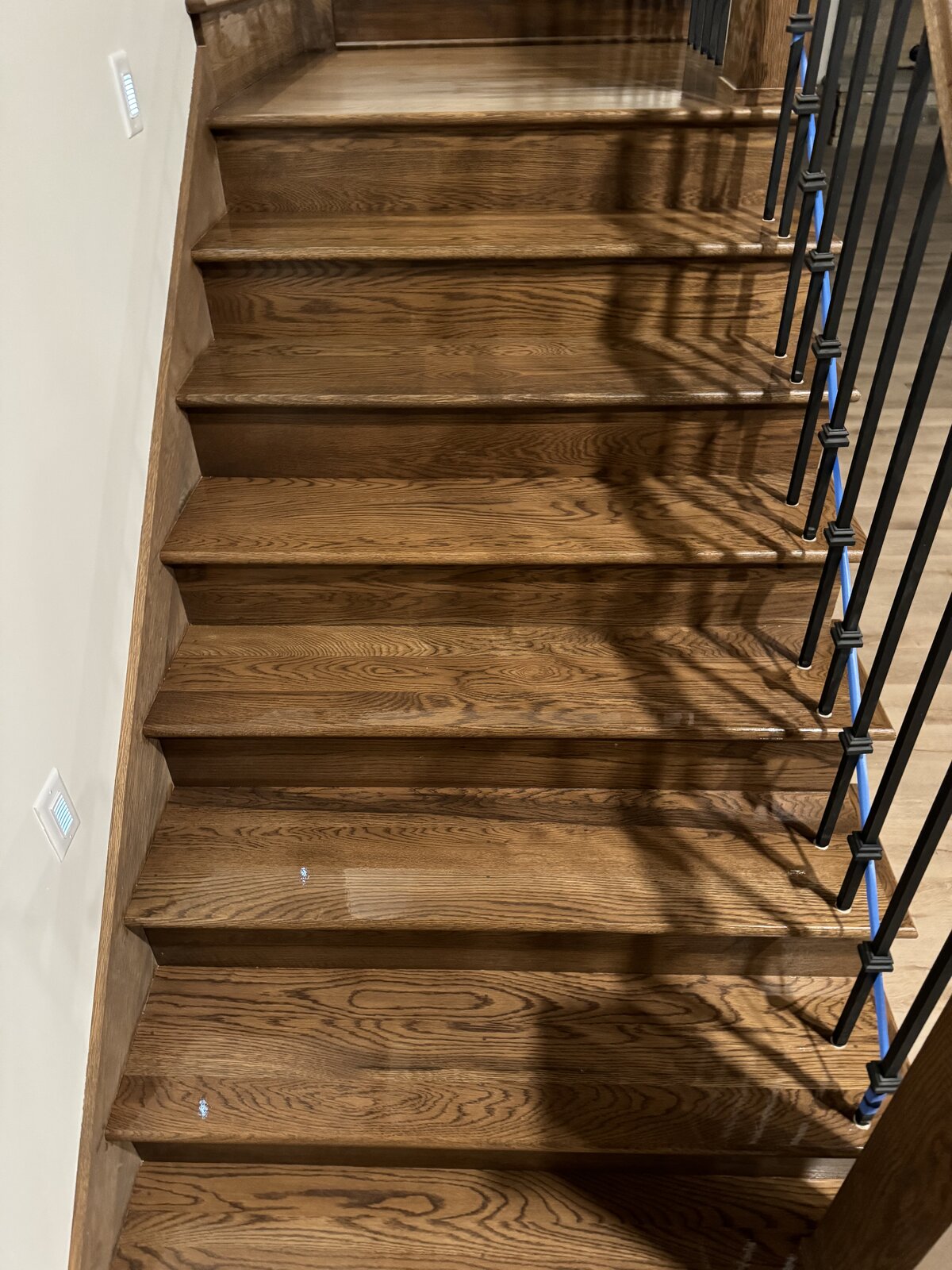
Serving Milwaukee's Historic Neighborhoods
We've restored floors in historic homes throughout Southeast Wisconsin, including these treasured neighborhoods:
Wauwatosa
Home to the Wauwatosa Village Historic District on the National Register. Victorian homes from the 1890s, Colonial Revival estates, and beloved Craftsman bungalows line these tree-shaded streets.
Bay View
Milwaukee's lakefront gem features beautifully preserved Victorian homes and Craftsman bungalows. Many contain original quarter-sawn oak and maple floors from the turn of the century.
Brewer's Hill
Stunning Victorian-era mansions built by Milwaukee's brewing elite. These grand homes feature intricate parquet floors, ornate borders, and premium hardwoods befitting their historic status.
Concordia
A treasure trove of Victorian architecture with meticulously restored homes. The neighborhood's annual house tours showcase the craftsmanship we help preserve.
Washington Heights
Elegant homes in Colonial Revival, Tudor, and Craftsman styles. Many feature original hardwood floors that have witnessed over a century of Milwaukee history.
Sherman Park
This historic district features Colonial Revival, Tudor, and Craftsman homes from the early 20th century, many with original maple and oak floors in remarkable condition.
We also serve historic properties in Shorewood, Whitefish Bay, Enderis Park, Story Hill, Cold Spring Park, Layton Boulevard West, Riverwest, and communities throughout Waukesha, Ozaukee, and Washington counties.
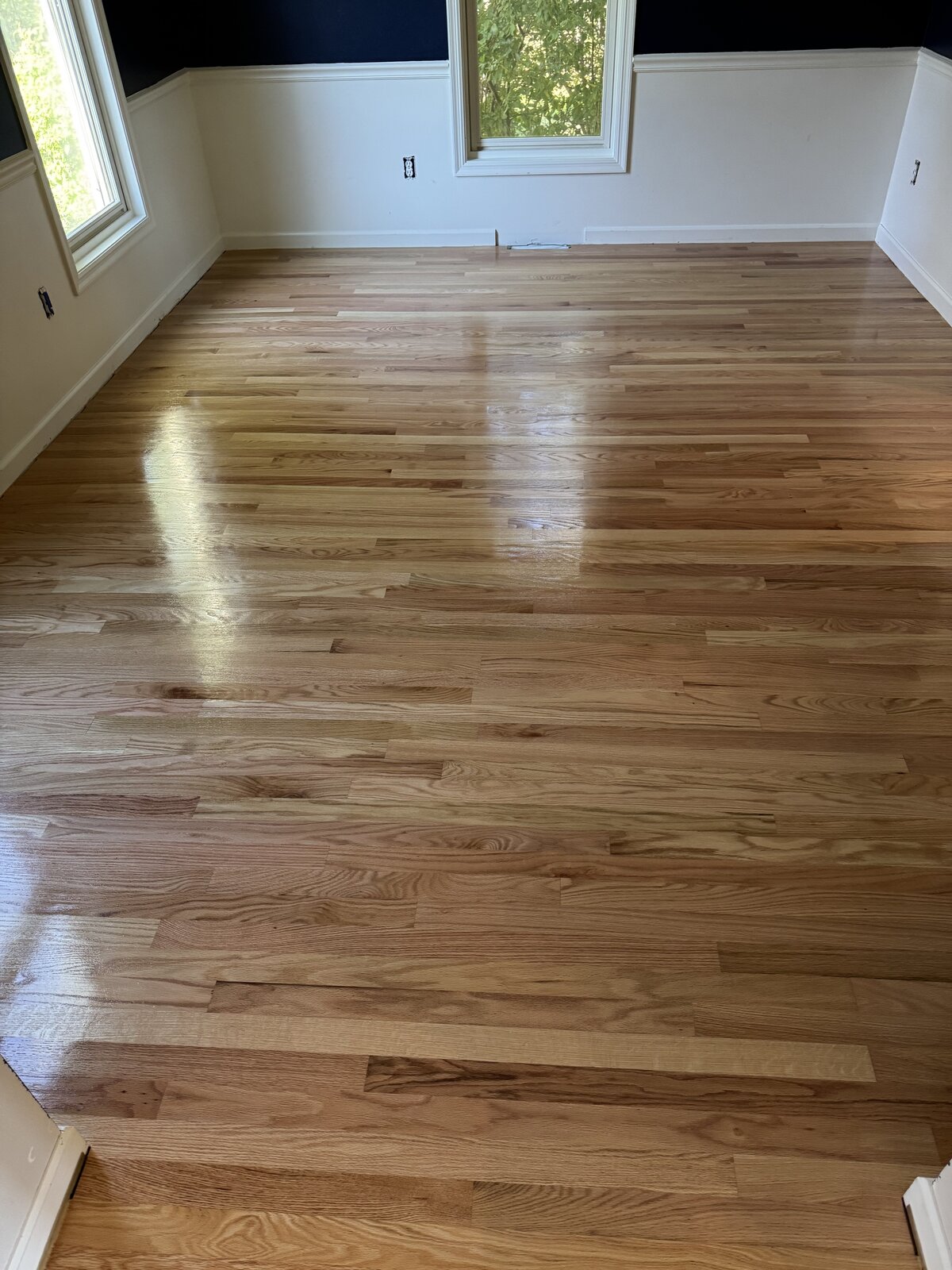
Understanding Historic Wood Species
The hardwood floors in Milwaukee's historic homes were crafted from old-growth timber with characteristics impossible to replicate today. These trees grew slowly over 200–500 years, producing incredibly dense, stable wood with tight grain patterns that modern lumber simply cannot match.
Quarter-Sawn White Oak
The hallmark of Victorian and Craftsman homes, quarter-sawn oak displays distinctive "ray flecks" — shimmering patterns caused by cutting perpendicular to the growth rings. This cutting method also makes the wood exceptionally stable and resistant to cupping. Finding authentic quarter-sawn oak for repairs requires specialized sourcing.
Antique Heart Pine
Old-growth longleaf pine (Pinus palustris) — known as "heart pine" — was a flooring standard from Colonial times through the early 1900s. With a Janka hardness rating matching red oak, heart pine is actually a hardwood in performance despite its softwood classification. The old-growth forests were exhausted by the 1920s, making existing heart pine floors irreplaceable treasures.
Maple & Other Period Species
The 1920s Art Deco era brought maple flooring into fashion for its light color and fine grain. Historic homes may also feature chestnut (now extinct due to blight), hickory, or mixed species installations common in working-class homes of the era.
Our Historic Restoration Services
Historic floor restoration requires different techniques and considerations than standard refinishing. Our specialized services address the unique needs of period flooring.
Gentle Restoration Sanding
Historic floors have often been sanded multiple times over their 100+ year lifespan, leaving limited wood thickness remaining. We assess wear layer depth before recommending any sanding and use the minimum aggression necessary to achieve results. In some cases, we recommend recoating or screening rather than full sanding to preserve precious material.
Our dustless sanding technology is particularly valuable in historic homes where plaster walls, original millwork, and antique furnishings must be protected from contamination.
Period-Appropriate Finishing
Modern polyurethane finishes, while durable, create a plastic-like surface sheen that looks out of place in Victorian and Craftsman interiors. For historic authenticity, we offer:
- ● Penetrating oil finishes — The traditional choice that soaks into wood rather than sitting on top, allowing the wood to breathe and age naturally
- ● Hard wax oils — European-style finishes combining oil and wax for a matte, hand-rubbed appearance
- ● Tung oil — A period-correct finish used since the 1800s that enhances wood grain without artificial sheen
- ● Shellac — The original floor finish, appropriate for museum-quality restorations
We also offer modern waterborne finishes in matte sheens for homeowners who want easier maintenance while preserving visual authenticity.
Antique Board Matching & Replacement
When damaged boards require replacement, finding authentic matches is critical. Modern lumber — even the same species — looks noticeably different from old-growth wood due to faster growth rates, wider grain spacing, and different coloration.
- ● Reclaimed lumber suppliers specializing in antique heart pine, quarter-sawn oak, and period hardwoods
- ● Architectural salvage from period-appropriate buildings
- ● Hidden areas of your own home (closets, under built-ins) where boards can be harvested and relocated
Our expert stain matching accounts for oxidation and patina, ensuring repairs blend invisibly with surrounding century-old wood.
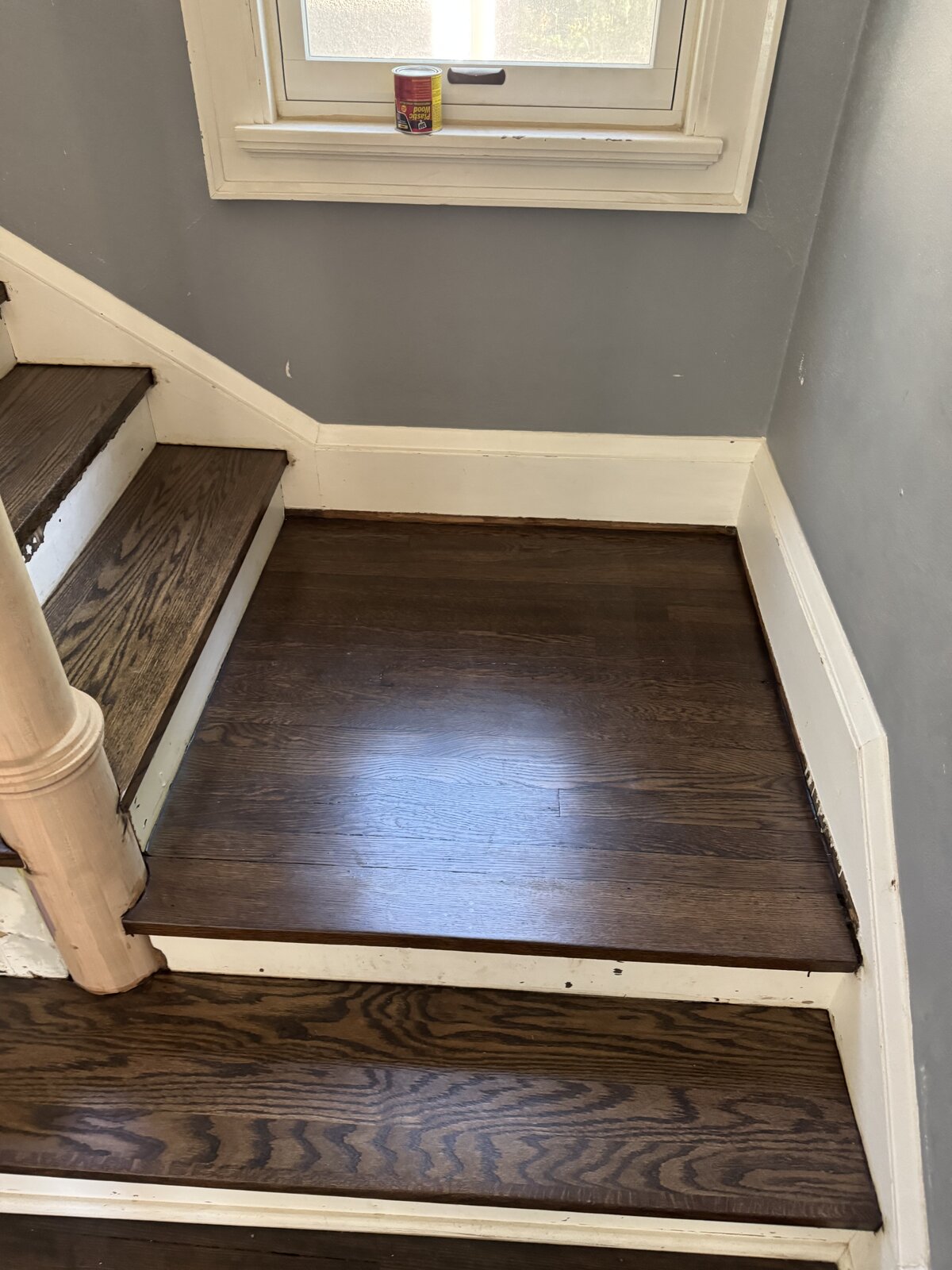
Parquet & Decorative Border Restoration
Milwaukee's grand Victorian and Edwardian homes often feature intricate parquet floors and decorative borders — geometric patterns created from contrasting wood species. These ornate installations require specialized restoration expertise:
- ● Individual piece repair and replacement
- ● Regluing loose parquet tiles
- ● Border recreation using period-appropriate patterns
- ● Medallion and inlay restoration
- ● Custom reproduction of missing elements
Through our partnership with Oshkosh Designs, we can reproduce historic patterns or create custom inlays that honor your home's architectural period.
Unique Challenges of Historic Floor Restoration
Historic homes present challenges that standard flooring contractors often overlook or handle incorrectly. Our experience with Milwaukee's vintage housing stock has taught us how to navigate these issues:
Limited Wear Layer Remaining
After 100+ years and multiple sandings, some floors have less than 1/8" of wood remaining above the tongue. We measure thickness before recommending any sanding and may suggest alternatives like screening and recoating, or leaving characterful wear patterns intact.
Subfloor & Structural Issues
Historic balloon-frame construction, pier foundations, and century-old joists create different conditions than modern homes. We assess structural soundness and coordinate with contractors when reinforcement is needed before restoration proceeds.
Lead Paint Considerations
Floors in pre-1978 homes may have been painted or have paint contamination from trim work. We follow EPA RRP (Renovation, Repair, and Painting) guidelines and can coordinate lead testing when appropriate.
Discontinued Species Matching
American chestnut, old-growth heart pine, and certain cuts of oak are no longer commercially available. We maintain relationships with reclaimed lumber suppliers and salvage specialists to source period-appropriate replacement materials.
Historic District Requirements
Properties in Milwaukee's locally designated historic districts or on the National Register may have restoration requirements. We understand preservation guidelines and can work within Historic Preservation Commission parameters.
Uneven Floors & Settlement
Century-old homes settle. Rather than fighting this character, we work with natural undulations while addressing trip hazards. Complete flattening often removes more material than historic floors can spare.
Why Trust BBJ With Your Historic Floors?
Preservation Mindset
We approach historic floors as irreplaceable artifacts, not just surfaces to refinish. Our goal is preservation first, with minimum intervention for maximum results. We have hands-on experience working within historic district guidelines, coordinating with preservation commissions, and meeting the specific requirements of properties on the National Register.
Species Expertise
We identify historic wood species, understand their unique behaviors, and know how different woods respond to staining, finishing, and aging.
Reclaimed Sourcing
Our relationships with reclaimed lumber suppliers give us access to antique heart pine, quarter-sawn oak, and other period materials for authentic repairs.
Period Finishes
Beyond standard polyurethane, we offer historically appropriate penetrating oils, hard wax oils, tung oil, and shellac for authentic restoration.
Common Questions
Frequently Asked Questions
Typically 2 to 5 days, depending heavily on the size of the project. We'll provide a detailed timeline during your free consultation so you know exactly what to expect.
We recommend maintenance coats every 3 to 5 years to protect your finish and extend the life of your floors. With proper maintenance, a hardwood floor can last 20+ years and be fully refinished up to 5 times over its lifetime.
Yes, all of our work is done according to the strict guidelines and expectations of the National Wood Flooring Association (NWFA). From moisture testing and acclimation to sanding sequences and finish application, we follow the industry's highest standards.
Have another question? Contact us — we're happy to help.
Ready to Restore Your Historic Floors?
Contact us for a free historic floor assessment. We'll evaluate your floors, discuss your goals, and provide honest recommendations for preservation.
Schedule Free Assessment